
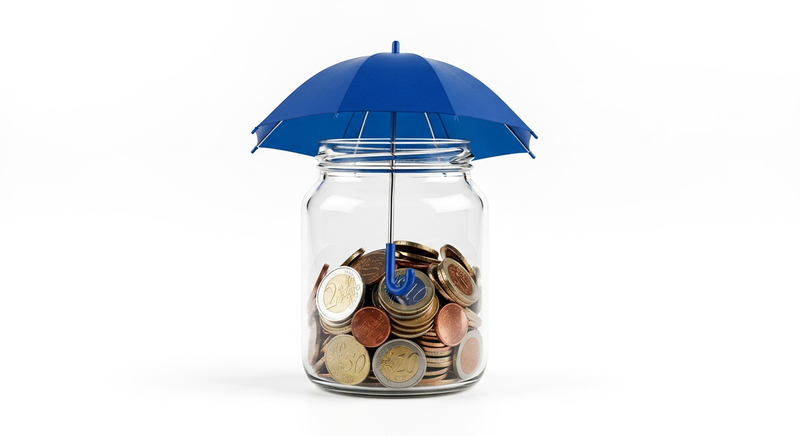
Life has a way of delivering financial surprises when you least expect them. A car breakdown, an unexpected medical bill, retrenchment or an urgent home repair can derail even the best financial plans if you are not prepared. An emergency fund acts as a buffer, giving you the breathing room to handle these situations without resorting to credit cards, personal loans or, worst of all, dipping into your retirement savings.
How much should you save? The general guideline depends on your circumstances. If you are part of a dual-income household, aim for at least three months of essential living expenses. If you are the sole breadwinner, self-employed or work on contract, six to twelve months of expenses provides a more appropriate safety margin. Essential expenses include rent or bond payments, utilities, groceries, insurance premiums, medical aid, transport and minimum debt repayments.
The first step is to calculate your monthly essential expenses. Review your bank statements and identify everything you absolutely must pay each month to keep your household running. Multiply this figure by three, six or twelve to determine your target emergency fund.
Building this fund does not have to happen overnight. Start with a modest goal, such as one month of expenses, and contribute a fixed amount from each payday. Automating a debit order on the day your salary clears is the most effective approach, because it removes the temptation to spend the money first.
Where you keep your emergency fund matters. It needs to be accessible quickly, but not so accessible that you dip into it for non-emergencies. A high-interest savings account, a money market fund or a notice deposit account are all suitable options. Avoid locking the money away in a fixed deposit or investment product that penalises early withdrawal.
One of the most valuable benefits of an emergency fund is psychological. Knowing you have a financial cushion reduces stress and gives you the confidence to stay invested during market downturns, rather than panic-selling to raise cash. It also means you can maintain your insurance premiums, retirement contributions and debt repayments during tough patches, keeping your long-term financial plan on track.
Once your emergency fund is fully funded, resist the temptation to redirect those contributions elsewhere. If you use part of the fund, make rebuilding it a priority before increasing spending or investments.
Need help building your financial safety net? Book a consultation and we will help you create a plan that protects you from the unexpected while keeping your long-term goals on track.