
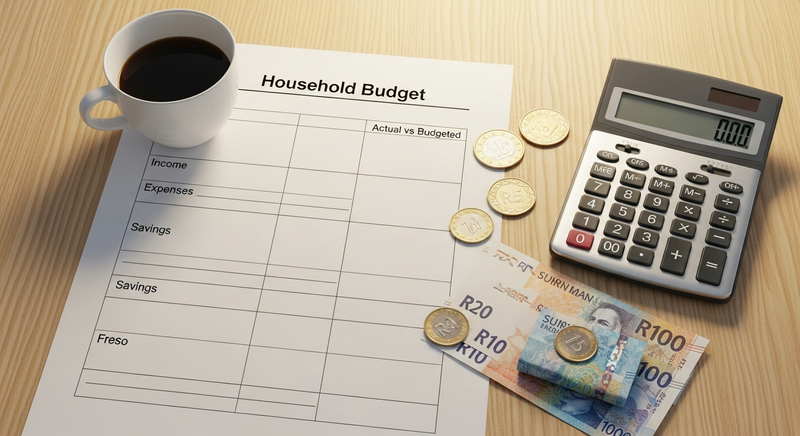
Many people avoid budgeting because they believe it requires tracking every cent and sacrificing all enjoyment. The 50/30/20 rule offers a different approach. Rather than micromanaging every transaction, it provides a simple framework that gives your money clear direction while leaving room for the things you enjoy.
The rule works as follows. Take your monthly after-tax income and divide it into three categories. Fifty percent goes towards needs: rent or bond repayments, groceries, utilities, transport, medical aid, insurance and minimum debt payments. Thirty percent covers wants: dining out, entertainment, gym memberships, clothing beyond the basics and hobbies. The remaining twenty percent is directed towards savings and additional debt repayment.
The beauty of this framework is its flexibility. If your debt levels are high, you might temporarily shift the split to 50/20/30, directing the extra 10% from wants towards accelerated debt repayment. If your essential expenses are lower, perhaps because you own your home outright, you could increase your savings allocation.
Automating the process makes it far more effective. Set up debit orders for your savings contributions and debt payments to run on payday, before you have the chance to spend the money. Many South African banks allow you to create multiple savings pockets or sub-accounts, making it easy to earmark funds for different goals such as an emergency fund, holiday savings or a car replacement fund.
One practical tip is to review your bank statements for the past three months before setting your budget. You might be surprised at how much you spend on subscriptions, takeaways or online shopping. Small, recurring expenses add up quickly, and identifying them is the first step towards redirecting that money more intentionally.
The 50/30/20 rule is not a rigid prescription. It is a starting point. The goal is to ensure that every rand you earn has a purpose, whether that purpose is covering today's needs, enjoying life now, or building wealth for the future.
Not sure where your money goes each month? Try our free budgeting tool to get a clear picture of your income and expenses, or book a consultation with our team for personalised guidance.